May 28, 2026
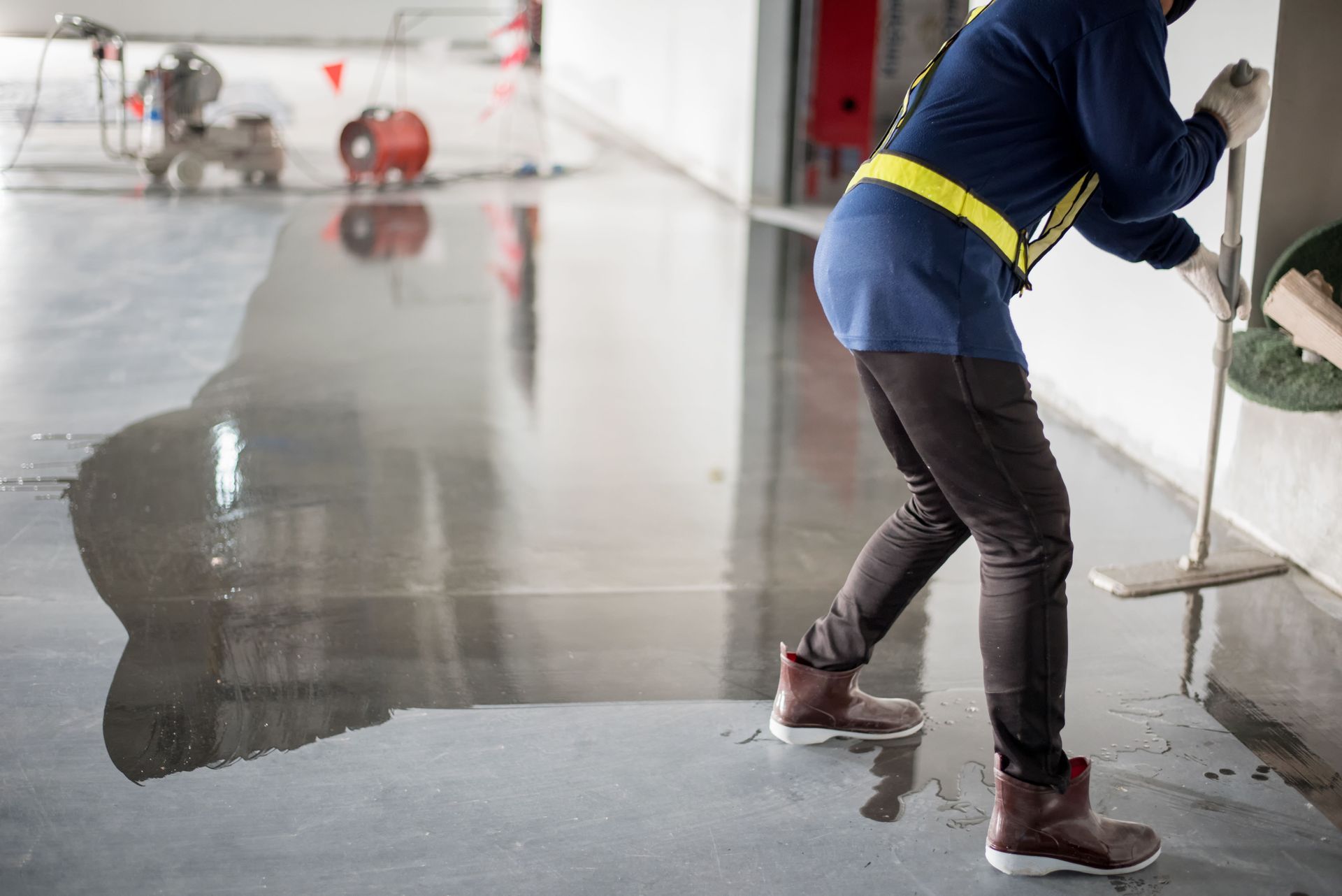
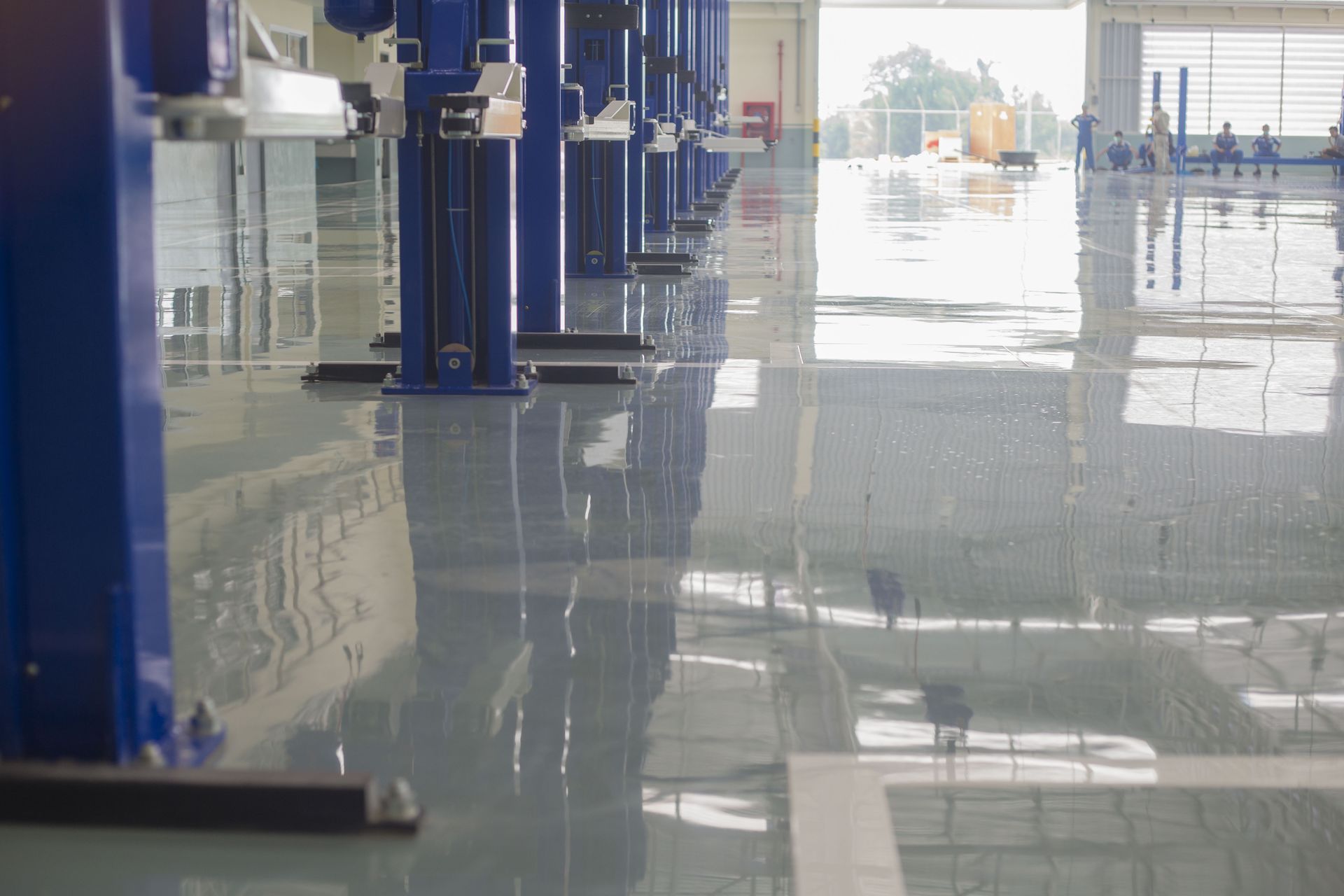
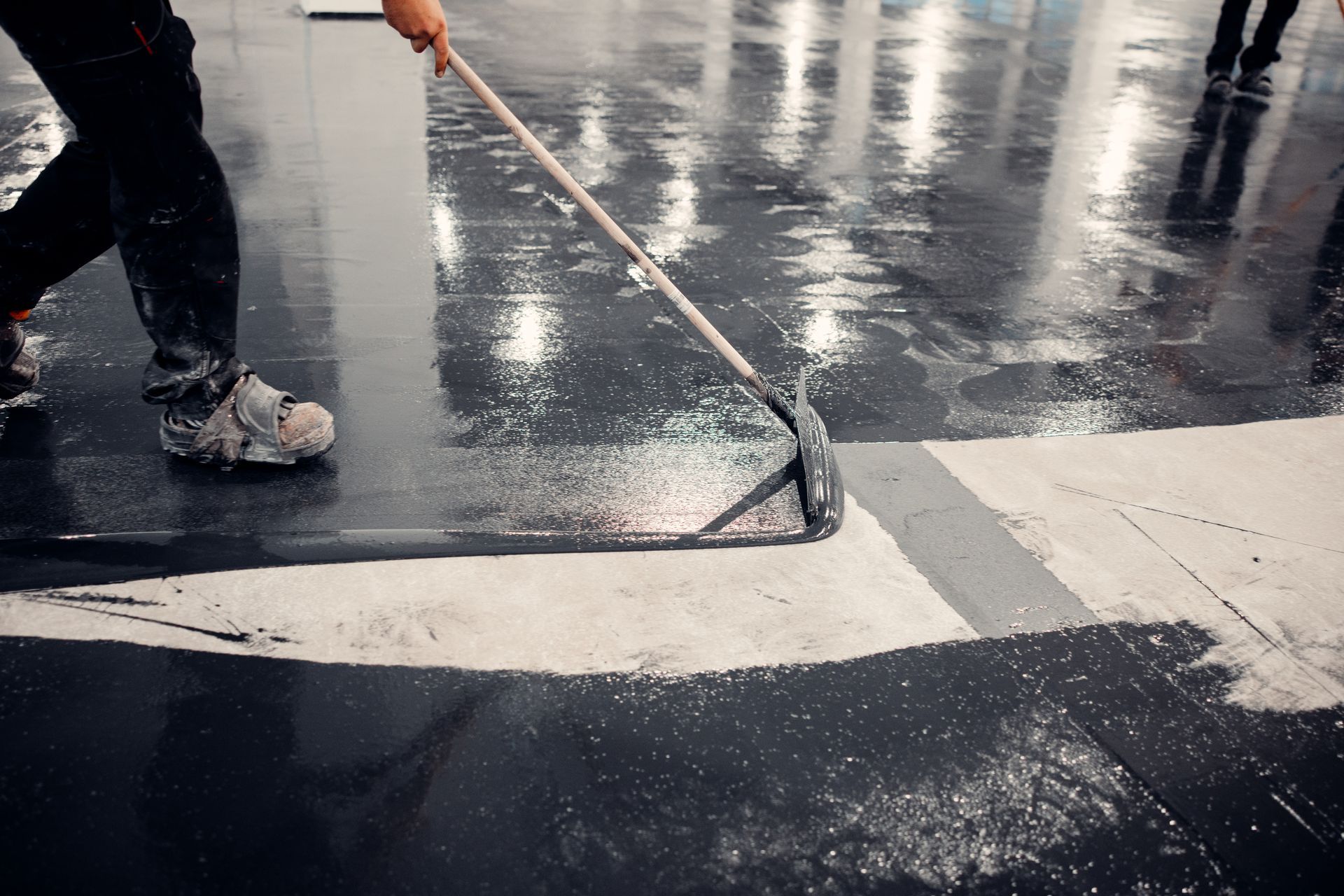
Upgrading a standard concrete slab with a professional finish is one of the most effective ways to enhance the durability, safety, and visual appeal of a property. Whether managing a commercial warehouse, a high-end retail space, or a residential garage, the transformation of raw concrete into a high-performance surface requires a sophisticated understanding of material science and precision application. Many property owners view flooring as a purely aesthetic choice, yet a professional-grade finish serves as a critical protective barrier that preserves the structural integrity of the building. To ensure a successful long-term result, there are several technical factors that must be evaluated by experts before the first layer of product is ever applied.
In this article, we will explore the essential technical requirements, environmental assessments, and material selections that professional installers prioritize before beginning a concrete floor coating project.
Assessing Substrate Integrity and Moisture Levels
The foundation of a successful floor starts deep within the concrete slab itself. Before a professional team begins the installation, they must conduct a rigorous assessment of the substrate's health. One of the primary concerns is moisture vapor transmission. Because concrete is porous, moisture from the earth can migrate upward. If trapped beneath a non-breathable surface, this pressure can cause the finish to delaminate or bubble.
Professional installers utilize specialized testing equipment, such as in-situ probes or calcium chloride tests, to measure the moisture emission levels. If high levels are detected, specific moisture-mitigating primers must be integrated into the system. Identifying these subsurface conditions early is the only way to ensure the concrete floor coating remains permanently bonded to the slab without the risk of future failure.
Evaluating the United States Floor Coating Market
Understanding the industrial pedigree of these materials provides context for their impressive performance. The technology used in residential and small-business applications is often derived from heavy-duty industrial standards designed to withstand extreme conditions. According to Mordor Intelligence, the industrial/institutional segment held 52.90% share of the United States Floor Coatings market size in 2025.
This dominance in the industrial sector proves that these systems are engineered for maximum resilience. When a business chooses a professional installation, they are benefiting from a market driven by the need for chemical resistance, forklift-rated durability, and long-term sanitation. Utilizing a product backed by such significant industrial demand ensures that the final surface can handle the rigors of any environment, from high-traffic showrooms to busy loading docks.
Choosing the Correct Chemical Formulation
Not all coatings are created equal, and selecting the wrong chemistry for a specific environment can lead to premature wear. Professionals typically choose between epoxies, polyurethanes, and polyaspartics based on the intended use of the space. Epoxies are celebrated for their high-build thickness and ability to resurface damaged concrete, making them an excellent base layer.
However, if the area is exposed to sunlight, a professional will likely recommend a polyaspartic or polyurethane topcoat. These materials are UV-stable, meaning they will not yellow or become brittle when exposed to the sun's rays. Furthermore, polyaspartics offer a faster cure time and higher flexibility, which is essential in climates where the concrete may expand and contract. Having an expert match the chemical properties of the concrete floor coating to the specific environmental stressors of the room is vital for a lasting finish.
Mechanical Surface Preparation and Profiling
One of the most critical steps in a professional installation is the mechanical preparation of the concrete. A coating cannot simply be applied to a smooth, power-troweled surface; it requires a specific texture to adhere correctly. Professionals use heavy-duty diamond grinding equipment or shot-blasting machines to remove the "laitance"—the weak top layer of the concrete—and open the pores of the slab.
This process creates what is known as a Concrete Surface Profile (CSP). By grinding the surface to a texture similar to fine-grit sandpaper, the professional team ensures that the concrete floor coating can penetrate the surface and "anchor" itself into the concrete. This mechanical bond is far superior to simple chemical adhesion and is the reason professional installations do not peel or flake even under heavy vehicular traffic.
Addressing Structural Cracks and Joint Treatment
Every concrete slab will eventually crack due to settling or thermal expansion. A key part of a professional installation involves treating these imperfections before the coating process begins. Simply pouring material over a crack will not hide it; the crack will eventually "telegraph" through to the surface as the slab moves.
Specialists use industrial-grade menders and fillers to bridge these gaps. In many cases, control joints are filled with semi-rigid polyurea to create a seamless, easy-to-clean floor. This meticulous repair work ensures that the finished concrete floor coating looks like a continuous, glass-like surface, eliminating places where dirt, bacteria, or moisture could accumulate.
Managing Ambient Conditions and Dew Point
The success of a chemical application is highly dependent on the climate at the time of installation. Professional crews monitor the ambient temperature, humidity, and the "dew point" of the room with precision. If the temperature of the concrete is too close to the dew point, a thin layer of invisible moisture can form on the slab, preventing the coating from sticking.
Furthermore, extreme heat can cause the material to cure too quickly, leading to an uneven finish, while high humidity can affect the clarity and gloss of the topcoat. By controlling the environment or timing the application to coincide with optimal weather windows, professionals ensure that the concrete floor coating undergoes the correct chemical cross-linking. This scientific approach results in a surface that reaches its maximum intended hardness and chemical resistance.
Customizing Aesthetic Finishes and Textures
Beyond protection, a professional installation offers an array of aesthetic choices that can be tailored to a brand's identity or a homeowner's style. Decorative flake systems are a popular choice for high-traffic areas because the multi-colored vinyl chips provide excellent camouflaging for dust and debris. Alternatively, metallic pigments can be used to create a "marbled" effect that offers a high-end, sophisticated look for lobbies and living spaces.
Texture is also a customizable component. Professionals can broadcast slip-resistant additives, such as aluminum oxide or quartz, into the final coat. This allows the property owner to choose the exact level of traction needed for safety compliance without sacrificing the floor's shine. This balance of form and function is a hallmark of a high-quality concrete floor coating project.
Planning for Long-Term Maintenance and Care
While professional coatings are incredibly durable, they are not indestructible. Knowing how to care for the floor after the installation team leaves is essential for preserving the warranty and the appearance of the surface. Because the finish is non-porous, it does not require the heavy scrubbing or harsh chemicals that raw concrete might need.
Professionals generally recommend a simple cleaning regimen using pH-neutral cleaners and soft microfiber tools. Avoiding acidic or ammonia-based cleaners is important, as these can dull the high-gloss finish over time. By following the maintenance schedule provided by the installation experts, property owners can ensure their concrete floor coating remains a high-value asset for decades, retaining its luster and protective qualities with minimal effort.
If you are ready to elevate your space with a durable, high-performance surface, contact our expert team at Hazlett Epoxy & Flooring today to schedule a professional consultation and discover the best coating solution for your property!